The PMOS Expert
-
Authors: Jodie Relf, RD & Clementine Vaughan, RD
-
Level: Qualified Clinicians
-
Study time: +6hrs hours
-
Videos: 11 Videos
-
Continuous Evaluations
-
AI tool for clinical 24/7 support
-
45mins Tutorial Call
Write your awesome label here.
Advanced PMOS education for Dietitians & HCPs
Expected learning outcomes when you complete the course include:
-
Understand in detail the pathophysiology and prevalence of PMOS/PCOS
-
Gain insight into the lived experience of women managing their PMOS/PCOS
-
Get clarity on the scope of the NICE and international guidelines
-
Interpret relevant hormone, metabolic, and nutrient blood tests used in PMOS assessment and monitoring
-
Increase confidence in the ability to treat a patient with PMOS alongside any other related conditions
-
Conduct a dietetic assessment and design individualised, evidence-based nutrition care plans for patients with PMOS based on symptom presentation and life stages
-
Improve understanding of key medications and supplements associated with PMOS/PCOS treatment and management
-
Identify and correct common misconceptions about PMOS held by patients and by other healthcare professionals
-
Learn how to advocate for your PMOS/PCOS patients
Your AI Companion
Gain access to the Dietitian’s Companion - an AI-powered tool designed to help you apply your learning in practice. Use it in real time to support clinical reasoning, explore management options, draft GP letters and turn complex evidence into clear, patient-friendly explanations.
Write your awesome label here.
Course Lessons
Meet the Dietitians
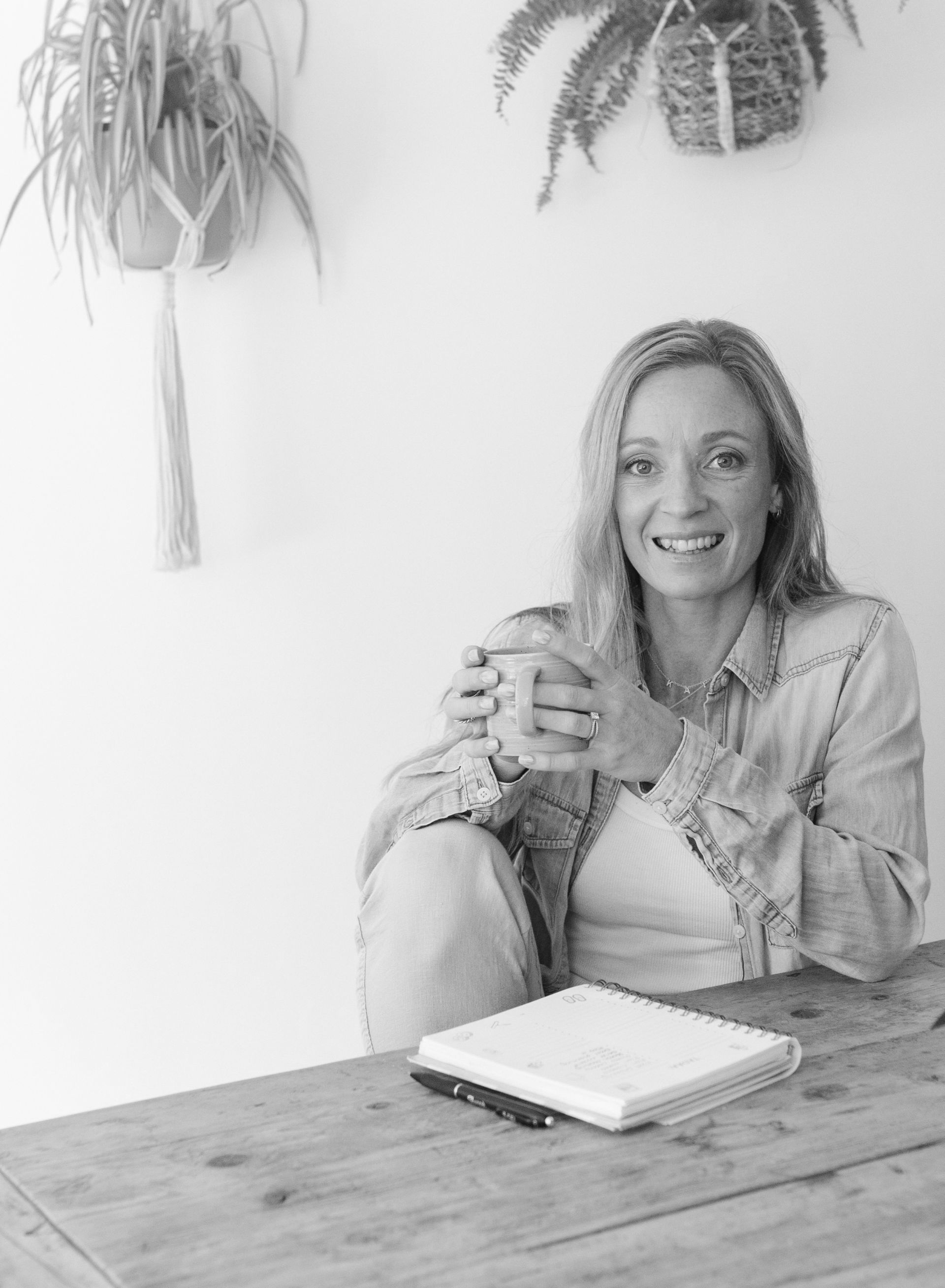
Jodie Relf - PMOS Specialist
Jodie is a Registered Dietitian specialising in PMOS and the founder of The PCOS Dietitian. Her expertise combines years of evidence-based research, specialist training and clinical practice supporting hundreds of women with PMOS.
She also brings personal insight to her work, having experienced the condition and the frustration of receiving a diagnosis with little explanation or meaningful support.
Jodie’s approach combines detailed clinical understanding with compassion and realistic, non-restrictive strategies. She helps women understand the hormonal, metabolic and lifestyle factors contributing to their presentation, while protecting their relationship with food and mental wellbeing.
This course grew from her determination to give healthcare professionals the depth of knowledge and practical framework needed to provide the informed, individualised support that too many patients still struggle to access.
She also brings personal insight to her work, having experienced the condition and the frustration of receiving a diagnosis with little explanation or meaningful support.
Jodie’s approach combines detailed clinical understanding with compassion and realistic, non-restrictive strategies. She helps women understand the hormonal, metabolic and lifestyle factors contributing to their presentation, while protecting their relationship with food and mental wellbeing.
This course grew from her determination to give healthcare professionals the depth of knowledge and practical framework needed to provide the informed, individualised support that too many patients still struggle to access.

Meet the Dietitians
Clementine Vaughan
Clementine Vaughan is a Registered Dietitian and the founder of Third Sister, specialising in women's gut health. She trained in neuroscience before dietetics, which shaped her interest in the behavioural side of diet and nutrition, how habits form, and why they hold or fall apart and she has built extensive experience in behaviour change alongside training as a qualified clinical hypnotherapist.
She began her career as a women's health specialist, working with PCOS and menopause, and her focus on the gut developed from there. Her work today centres on women taking weight loss medications such as GLP-1s, helping them manage gut side effects and rebuild their relationship with food and their body.
Clementine's approach pairs clinical detail with real-world urgency: assess the whole picture, act quickly on what's most disruptive, then build habits that hold. She wants the women she works with to regain control of their own bodies and their long-term health.
This course was developed as the missing course from our training. Even if PMOS isn’t your specialism, if you work in women's health you're likely to come across a woman living with it. This course will help you feel confident in how to approach, advise and manage her care in a way other practitioners have not been able to.
She began her career as a women's health specialist, working with PCOS and menopause, and her focus on the gut developed from there. Her work today centres on women taking weight loss medications such as GLP-1s, helping them manage gut side effects and rebuild their relationship with food and their body.
Clementine's approach pairs clinical detail with real-world urgency: assess the whole picture, act quickly on what's most disruptive, then build habits that hold. She wants the women she works with to regain control of their own bodies and their long-term health.
This course was developed as the missing course from our training. Even if PMOS isn’t your specialism, if you work in women's health you're likely to come across a woman living with it. This course will help you feel confident in how to approach, advise and manage her care in a way other practitioners have not been able to.
Frequently asked questions
Who is the course for?
The course has been created for dietitians, nutritionists and other qualified healthcare professionals who support people with PMOS/PCOS and want to develop a deeper understanding of its underlying mechanisms and clinical management.
It may also be relevant to GPs, gynaecologists, women’s health nurses and other practitioners working in this area. The course assumes a baseline understanding of human physiology, nutrition and healthcare practice, and explores the subject in considerably more depth than a patient-facing course.
I’m not a dietitian. Is the course still suitable for me?
Yes. Although the course has been developed primarily with dietitians and nutritionists in mind, it is also suitable for other qualified healthcare professionals who work with people affected by PMOS.
Some existing clinical knowledge is assumed. The course does not provide a new professional qualification or permit you to practise outside the scope of your existing training, registration or professional competence.
Is the course suitable for students?
The course may be suitable for dietetic, nutrition or healthcare students who already have a good foundation in physiology and clinical practice and would like to deepen their understanding of PMOS.
However, the course is advanced and has been designed primarily for qualified professionals. Completing it does not provide a professional qualification or permit students to offer clinical advice or practise independently before they are appropriately qualified and registered.
How is the course delivered?
The course is delivered entirely online through a combination of presentation slides and accompanying teaching videos, in which we guide you through the content and explain how it applies in practice.
It is self-paced, so you can work through the modules at a time and pace that suit you, rather than attending scheduled live teaching sessions.
How long will I have access?
You will have access to the course for 12 months from the date it becomes available to you.
This gives you time to complete the training at your own pace and return to individual modules, references and resources whenever you need a refresher.
Who created the course?
The course has been created by Jodie Relf, Registered Dietitian and PMOS specialist, alongside Clementine Vaughan, Registered Dietitian with a specialist interest in women’s health.
Jodie has seven years of experience working directly with women with PMOS/PCOS. Together, Jodie and Clementine have combined their clinical experience with an extensive review of the research to create a course that is evidence-led, clinically relevant and grounded in the realities of supporting patients.
Is the course accredited, and will it count towards my CPD?
Accreditation is currently pending with the British Dietetic Association and the Association for Nutrition.
On completing the course, you will receive a certificate of completion that can be included within your CPD portfolio. We will update this page and notify the waitlist once the outcome of the accreditation process has been confirmed.
Will I receive a certificate?
Yes. Once you have completed the required course content, you will receive a certificate of completion for your professional records and CPD portfolio.
What references and resources are included?
The course is supported by more than 260 academic references. You will receive access to the complete reference list, including links to the original research wherever available, so that you can explore areas of particular interest in greater depth.
You will also have access to the supporting course resources included within the programme. Please note that access to some journal articles may depend on whether they are open access or available through your institution or professional membership.
Is any additional support included?
Yes. Your enrolment includes one 45-minute tutorial call with either Jodie or Clementine. You can use this time to ask questions about the course, explore a topic in more detail or discuss your clinical reasoning around an anonymised case.
You are also welcome to email us with questions that arise while you are working through the course.
You are also welcome to email us with questions that arise while you are working through the course.
When does the course launch?
The course is due to launch at the end of September 2026. We will confirm the exact launch date with everyone on the waitlist as soon as it is finalised.
When can I begin?
You will be able to begin as soon as the course launches and your access has been activated.
Join the waitlist to be among the first to receive the confirmed launch date, enrolment information and early-bird offer.
How much does the course cost?
The full course price is £695.
People who join the waitlist will be offered an early-bird price of £590, saving £105, for a limited period after enrolment opens.
What do I receive by joining the waitlist?
By joining the waitlist, you will be among the first to receive:
- Confirmation of the course launch date
- Priority notification when enrolment opens
- Access to the limited early-bird price of £590
- Further information and previews of the course before launch
- Joining the waitlist does not commit you to purchasing the course.
Can my employer pay for the course?
Yes. If your employer or organisation would like to fund your place, please contact us to request an invoice.
We will provide the information they need to arrange payment. Your course access will be activated once payment has been received.
What is the refund and cancellation policy?
Because this is a digital course and access to the teaching content and supporting resources may be provided shortly after purchase, this is not refundable.
Will the course be updated as new evidence emerges?
Yes. We will formally review the course every six months to ensure the content remains current, clinically relevant and aligned with the evolving evidence base.
We will also undertake a dedicated review when the new NICE guidance for PMOS is published and update the relevant course content accordingly.
Any updates made during your 12-month access period will be included as part of your enrolment, at no additional cost.
Copyright © 2026
Created with